
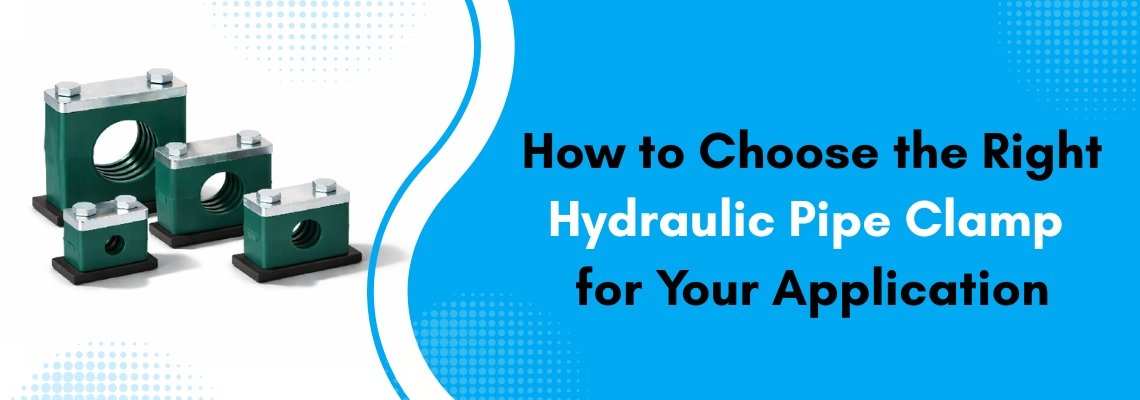
Have you experienced a hydraulic line suddenly vibrating loose during your shift, causing what was before a seamless operation to nosedive into an operational catastrophe? This kind of malfunction is an operational nightmare; spilling expensive hydraulic fluid, ceases production with back orders, and compounding the already significant operational repair costs. The rest of the story focuses on the hydraulic pipe support. These inexpensive pipe clamps are simple devices that secure pipes to a frame, eliminating operational pipe wear and ensuring an uninterrupted operational flow. Understanding how to select hydraulic pipe clamp appropriately for its function will allow plant engineers, maintenance staff, and system integrators to focus on other operational issues. Ready to learn how to address the problems? This is foundational.
Precision is required to Know Your Pipe Size.
- It is essential to measure the pipe with a calliper to get an accurate outer diameter. If the clamps are to be functional in the system, they have to fit the pipes without crushing the pipe or slipping.
- Operational Tip: 10%-20% loose for thermal pipe expansion is quite a good idea for operational flexibility.
- So, how does the gap of the singular clamp fit on the pipe?
Clamp Shape Must Match Functional Requirements
- Light-duty (plastic/ poly pro): Vibration dampening for thermal expansion is a good idea for general factory use.
- Heavy-duty: High-pressure is required for hydraulic systems on presses or other mobile applications that have operational strain.
- Twin, or double clamps: This is to secure two pipes side by side in a crowded space; they save space.
Check Pressure and Temperature Ratings
Every type of clamp has limitations and must be matched to system extremes such as 400 bar pressure and temperature variations between -40 °C and +120 °C. If a clamp is undersized, it will be susceptible to cracking due to heat-induced stress. An audit of the hottest sections of your systems will identify whether the currently installed clamps are a gradual risk over time.
Pick Materials for Your Environment
- Polypropylene is the most economical and it is corrosion-resistant, although it is only suited for internal applications.
- Polyamide (nylon) is tougher, more suited for external applications which require UV and chemical resistance. The low black colour is a good indicator of the heat stability (durability) of this polymer.
- For corrosive applications, particularly chemical or marine environments, the most suitable option is a combination of stainless steel with rubber inserts.
Factor in Vibration and Load Support
Pipes chafing together will without a doubt lead to the creation of leaks through what are effectively silent failures. Good clamps will absorb shock, support the weight of the segment to a minimum of 25% over the contents, and withstand potential seismic activity. For optimal placement, position a clamp every 1-2 meters apart.
Best Practices for Installation
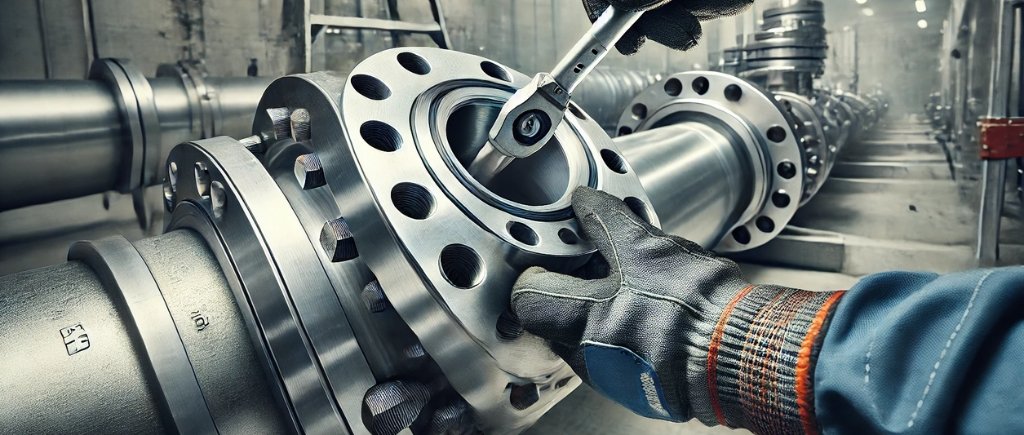
For the sake of simplicity, installation should be done in a stepwise manner. If it is an internal installation, clean the area of the segment. For external installations, clean the surface to be mounted, mount the lower ring and slide in the pipe. Afterwards, position the upper ring and torque the fastening elements first to a moderate tightness (then never over-tighten as this can lead to ringing deformation) and then to an even torque. To keep the fluids moving within the pipe, the pipes must be kept in a straight line. Periodical maintenance must be marked in a calendar as a task once a year.
Avoiding Common Mistakes
One of the most common mistakes is to overlook leaving adequate expansion gaps, but be aware that inferior clamping systems will show a broken failure with their first real loads. Load calculations must not be skipped as they are the cause of pipes sagging, which creates further stress.
Conclusion: Secure Your Future, One Clamp at a Time
Choosing the right hydraulic pipe clamp isn’t just maintenance; it’s strategic peace of mind. Imagine zero leaking, quiet operation, and teams concentrating on production instead of patching. Beyond the life extension of the pipes, these clamps reduce noise by 50 percent, downtime costs, and increase the operational efficiency of your facility. For plant engineers working with tight budgets, it’s low-cost insurance; for maintenance teams, it’s fewer callouts; for integrators, it’s seamless designs to deliver on client expectations.
Void your price worries and visit hydraulic cylinder manufacturers to get perfectly matched components for your clamped systems at Teutonic Engineering. Clamp smart, run strong, your operation deserves it.