
Understanding the Role of Filler Breather in Hydraulic Systems

Have you watched a hydraulic machine stop mid-shift, causing a mess on your production line? Unfortunately, one of the most common reasons for that moment of disaster is a small oversight on the hydraulic tank. The filler breather is the tank’s unsung hero, ensuring that air gets to the fluid that needs to remain clean to keep the system running smoothly. Being hydraulic system maintenance technicians, plant engineers, and equipment operators, knowing the filler breather means less breakdowns and more years getting the job done.
Why is it that every hydraulic tank relies on a filler breather?
Throughout the operation of the hydraulic system, every time the cylinders extend and retract, the fluid levels in the tank create a need for new air to get in and out of the tank easily. If it is not getting the air that it needs, a vacuum is going to form and the pump will have to work harder. That leads to a phenomenon called cavitation (falling air bubbles). Over time the air bubbles will chip away at the operational components, including the gears and pistons.
The filler breather also prevents erratic system performance. If the valve foams, it means air is trapped in the oil. The filler breather also prevents trapped oil at the valve from forming trapped bubbles.
Dirt and Moisture. How the Filler Breather.
Dust and small airborne particles collect moisture from the workshop environment. This moisture enters open tanks and combines with liquids to create fine mixtures of sludge that quickly wear valves, pumps, and seals.
The fills breathers have built-in centrifuge style filter units designed to combat this problem by filtering out particles of all sizes, plus letting water and vapor pass out of the oil to keep your system untarnished. I like to think of it as a first line of defense.>/p>
For moisture, advanced models have sorbent materials integrated, which capture vapor and prevent internal corrosion that could lead to corrosion-related internal leaks and downstream failures.
Smart Filling Feature That Saves Time and Hassle
Apart from the filter, the filler breather also has a large opening that is the primary access point to put new hydraulic oil in the system and is equipped with a cover that prevents particles from entering oil containers.
This design minimizes spills and contamination during refilling, which is a common nuisance in busy plants with little time for maintenance. Cleaner fills result System flushes.
Many of these units have visual alerts that glow or pop to indicate that filters have clogged, giving reasonable certainty that it’s time for a filter change without needing to open the unit.
Filler Breather Common Warning Signs That It May Need Attention
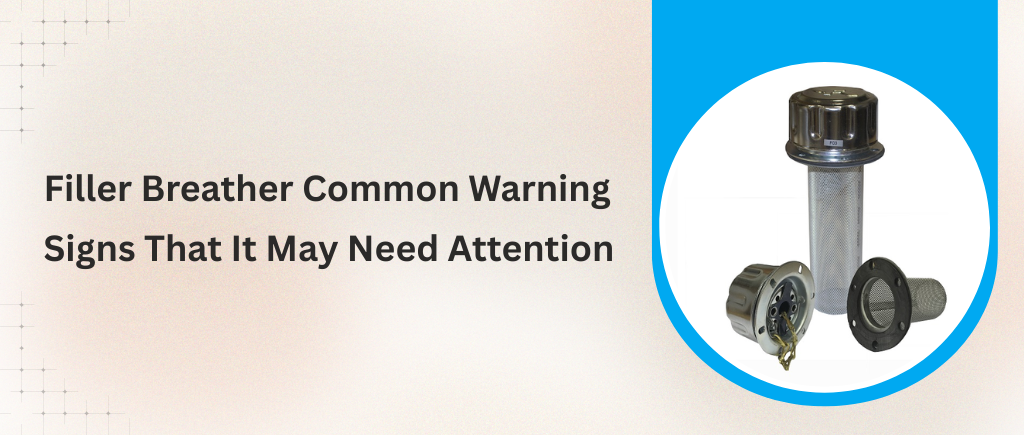
Machine responding slowly or hearing a whining sound from the pump under a load? It might be a case of a blocked filler breather starving the system from having enough air—usually a quick inspection reveals the solution.
Fluid darkening or getting milky quicker than normal means there’s insufficient filtration. Moisture streaks or strange smells are signs the breather is not securing the system from environmental hazards.
Listen to or watch for overheating; both are the result of blocked or defective breathers that are drawing in unfiltered air causing pressure instability.
Filler Breather Styles to Suit Your Needs
For indoor clean environments, standard plastic breathers work well and are economical, providing basic filtration for consistent dependability in controlled settings.
For dusty factory environments or outdoor machinery, heavy-duty metal capped breathers work best as they are built to last and can hold more dirt.
If the application is moisture rich, use pressurized or desiccant breathers; they are excellent for air exchange reduction and prolonging fluid life in high-demand uses such as mobile equipment.
Maintenance for Best Results
- Daily visual inspections: Wipe away any dirt on the breather and inspect for cracks, dents, or dirt build-up to eliminate problems before they arise.
- Weekly airflow check: Place a finger on top of the cap and gently press to see if there is any resistance; smooth air flow means there are no issues, if there is a lot of resistance there is a blockage that requires attention.
Ongoing samplings complemented by history records dictate the planned replacement strategy. Filters must be changed on every oil change or when the indicator lights up. It’s advisable to change the filters when taking a full system sample to determine the degree of system contamination, which will help set the proper schedule for system maintenance.
Always change the oil while maintaining the cleanest room possible. Before taking the oil cap off, flick off the surrounding dirt with a clean hand. Assemble everything and ensure the oil cap is closed to avoid contaminating the system.
Cleaner fluid throughout a system is one of the most significant benefits of prioritizing filler breather care. Reduced system wear of up to 70% results in longer service intervals on pumps and valves leading to improved overall system uptime, especially important in high-cycle operations.
Filler breather care directly results in a significant reduction of the overall system pressure spikes which leads to a more stable and predictable system output. This high level of predictability is critical for high precision tasks where system output consistency is a must in order to avoid costly rework due to junk parts.
The downstream filters and oil change intervals become extended due to the improved overall condition in the system, which results in overall lower operational costs. This makes proper and proactive breather maintenance a positive economic decision for any facility.
Reach out to us for reliable, high efficiency system components. Hydraulic Cylinder Manufacturers has a versatile offering of hydraulic components that work hand in hand with high efficiency, reliable filler breathers. The overall maintenance and operational efficiency of your hydraulic systems will significantly improve.
Do you have a spam problem on this site; I also am
a blogger, and I was wanting to know your situation; we have developed some nice practices and we are looking to trade techniques with other folks, why not shoot me an e-mail if interested.