
The extending and retracting component of any heavy-duty hydraulic system barrel is the most influential component of the entire assembly. Each component of the hydraulic cylinder system works under high, continuous stress. This is a component of the hydraulic system that absorbs stress and friction on the seals. It also works under the stress of exposure to environmental contaminants. This component works under stress daily and when it suffers, the entire system suffers. This results in erratic motion, leakage, or the complete failure of the system.
The difference between irritating inevitable downtime and loss of profits, is recognizing the early signs of failure and implementing a standard maintenance routine. This guide is for maintenance personnel and engineers to recognize the signs and symptoms of hydraulic failure and the steps for rod maintenance on hydraulic systems.
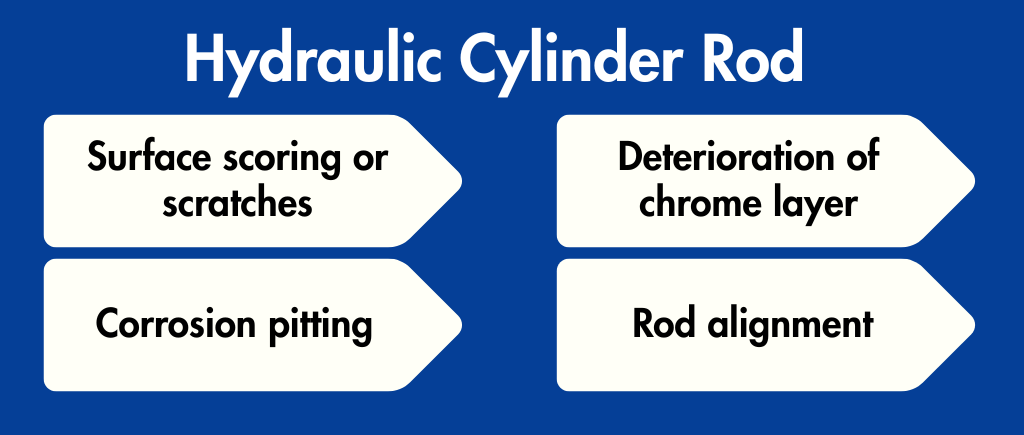
Typical rod failure signs
1.Surface Scoring or Scratches
Aligning scratches/abrasions on the surface of a rod is the result of early abrasive wear. This is typically a result of the seals failing and allowing contaminants into the system. The contaminants and particles impact the rod and continue to deteriorate the rod. The deeper the scores, the worse the bypassing of the gland seal.
- Deterioration of Chrome Layer
The outer chrome layer combines low friction and corrosion resistance with a chrome thickness of 10–30 microns common for precision rods. Pitting, flaking, or rust coloring of the chrome coat exposes the steel underneath and makes immediate repair necessary.
- Corrosion Pitting
Pitting is not as smooth and regular as scoring. It is small, irregular, and crater-like. It is a result of moisture leaking into the system, whether through condensation in the cylinder or through contaminated fluids. Pitting is not repairable through polishing. Once the base metal has begun to corrode and pitted, that section is beyond repair and the entire rod must be replaced.
- Rod Alignment
Over time, side loading, or force applied at an angle a rod’s centreline, causes a deflected rod to unevenly apply pressure against seals. This imparts more wear to Wipers and U-seals and causes the actuator assembly to vibrate. Even a rod that deflects 0.5 to 1 mm per 1 meter of rod length may have notable performance issues long before the deflection can be perceived by an observer.
- Accelerated Seal and Wiper Failure
There can be many reasons why seals are replaced before the expected service interval. The most common is the deterioration of the rod surface. A sealed rod’s surface is either worn or out-of-round; every stroke of the rod will destroy the soft lip of the seal. The seals that are replaced will show a characteristic pattern. The most common include deep radial cuts and obliterated lips.
- Fluid Leakage at the Gland
An external leak at the gland is often the most noticeable indicator of a system that is severely degraded. Fluid leaking past the seal shortly after sealing the gland is due to surface restoration of the rod being long overdue.
Rod deterioration in a cylinder assembly is a progressive failure that is fairly predictable and includes surface scoring, chrome failure, gland leakage, and deflection, which all provide a reasonable opportunity to prevent system failure. The best value to cost approach for all industrial maintenance systems is based on a clearly outlined, regular schedule of visual inspections, fluid cleanliness checks, proper alignment, and timely corrective maintenance.
At Teutonic Engineering, all hydraulic cylinder rods are manufactured in house from high strength low alloy steel with a guaranteed 30 HRC surface hardness and 30-micron thickness chrome plated to a fine tolerance designed to provide a long service life in a highly stressed operating environment.