
Hydraulic systems depend on clean fluid to work smoothly and efficiently. When dust, moisture, and airborne particles enter the tank, they can reduce performance, damage internal parts, and increase maintenance costs. A filler breather helps controlling contamination in hydraulic fluid and protects the system from avoidable wear.
Overview of Hydraulic Systems
Hydraulic systems are used in machines that need power, pressure, and controlled movement. They are common in industrial equipment, construction machinery, presses, lifts, and manufacturing units. These systems work by transferring force through hydraulic fluid, which must stay clean to perform properly.
Even a small amount of contamination can affect flow, pressure, and component life. That is why fluid protection is just as important as fluid movement in hydraulic operations.
Filler Breather Protects the System
A filler breather is designed to allow air to enter or exit the hydraulic reservoir while filtering out harmful particles. It helps maintain pressure balance inside the tank and prevents contaminants from entering during fluid filling, cooling, or expansion.
Its protective role includes:
- Filtering dust and airborne debris.
- Reducing moisture entry.
- Supporting clean air exchange.
- Protecting hydraulic fluid quality.
- Extending the life of internal components.
This makes it a small but important part of any hydraulic system that needs reliability and cleanliness.
Main Functions in Operation
The filler breather performs a practical job every day, especially in demanding industrial settings. It works when the system breathes in air as fluid levels change and when the tank needs to remain properly ventilated.
Its key functions include:
- Maintaining tank ventilation.
- Preventing outside contaminants from entering the reservoir.
- Helping preserve hydraulic fluid condition.
- Supporting stable system performance.
- Lowering the chance of premature component failure.
Without this protection, the system becomes more vulnerable to contamination-related issues that can gradually reduce machine efficiency.
Benefits for Industrial Equipment
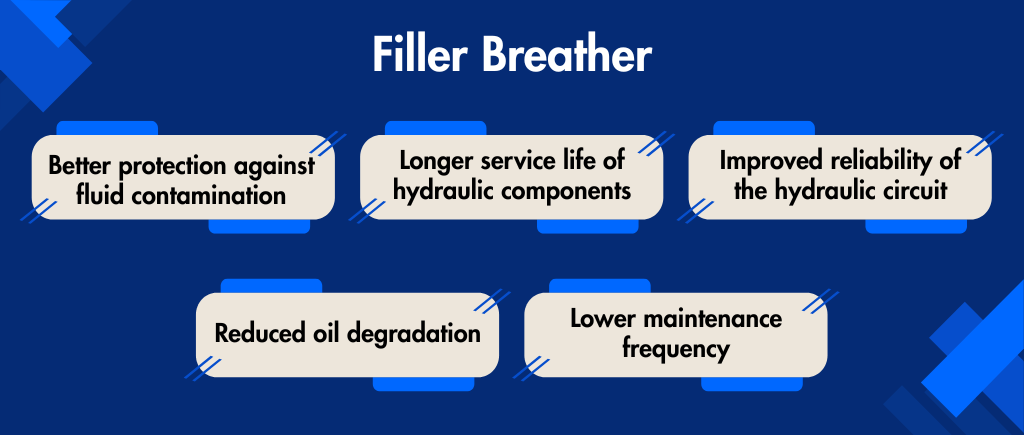
Using a filler breather offers practical benefits for operators and maintenance teams. These include:
- Better protection against fluid contamination.
- Longer service life of hydraulic components.
- Improved reliability of the hydraulic circuit.
- Reduced oil degradation.
- Lower maintenance frequency.
For businesses that rely on continuous operation, these benefits help avoid unnecessary downtime and improve productivity.
Teutonic Engineering works in the industrial hydraulic space, where clean fluid management and component reliability are essential. Topics like this are closely connected to the company’s engineering focus because they reflect real maintenance and performance needs in hydraulic systems.
For buyers, technicians, and plant managers, understanding protective components helps in choosing solutions that improve system life and reduce operating issues. That makes this topic highly relevant for a company serving industrial hydraulic applications.
A filler breather plays a vital role in protecting hydraulic systems from contamination and helping equipment perform reliably. By keeping dust and moisture out while supporting proper ventilation, it helps preserve fluid quality and extend component life. For industrial users, this small part can make a major difference in system performance and long-term maintenance.